
TL;DR: Fall garden preparation is what separates a yard that limps into spring from one that wakes up thick, healthy, and full of color. In our region, the work spans roughly mid-September through late November and covers cleanups, lawn renovation, perennial care, mulching, and protecting tender plants ahead of New England’s freeze-thaw cycles. Done well, fall sets the stage for the next 12 months of growth. Here at ND Landscape, our team handles fall preparation for properties across Massachusetts and Southern New Hampshire. Call 978-352-5400 or contact us online to schedule a fall visit.
Why Fall Garden Preparation Sets Up the Whole Next Year
It’s tempting to think of fall as the end of the gardening season, but in New England, fall garden preparation is really the beginning of next year. Cool soil temperatures, regular rain, and slowing top growth combine to create ideal conditions for root development — for both turfgrass and most perennials. The work you do between September and November shapes how the landscape rebounds in spring far more than anything you do in March. With our region’s hardiness zones running from 5b to 7a and frost dates landing anywhere from early October to early November depending on location, timing matters.
Need help mapping out fall garden tasks for your property? Call ND Landscape Services at 978-352-5400 or contact us online to schedule a walkthrough.
Start with a Real Fall Cleanup
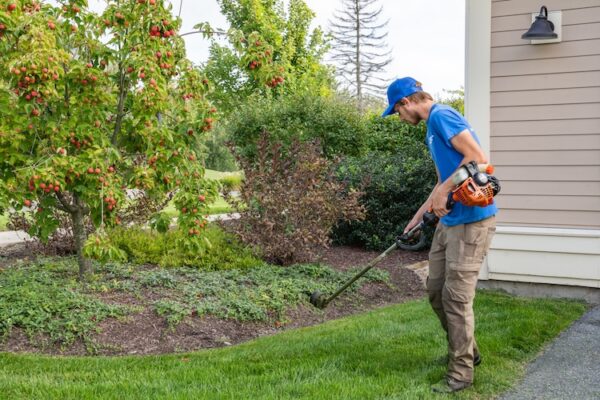
A thorough fall cleanup is the foundation of every other task and the first thing a residential lawn maintenance crew tackles when the weather turns. Wet leaves left on the lawn smother turf and create the ideal habitat for snow mold over winter. Debris in garden beds traps moisture against plant crowns and provides cover for overwintering pests. The aim isn’t sterility — it’s removing the layers that will cause problems in spring.
- Remove fallen leaves from the lawn in stages — mulching a thin layer into the turf is fine, but heavy accumulations need to come off.
- Cut back perennials that are mushy, diseased, or known to harbor pests; leave ornamental grasses, sedum, and coneflower seed heads for winter interest and birds.
- Edge bed lines so they read cleanly all winter, even after snow.
- Pull stakes, tomato cages, and irrigation parts that won’t survive freezing.
- Clear roof valleys and downspouts of leaves so winter rain and melt move away from the foundation.
Give the Lawn Its Most Productive Few Weeks of the Year
Cool-season turf — the Kentucky bluegrass, tall fescue, and perennial ryegrass that make up most New England lawns — does its strongest root growth in fall. That makes September through October the most productive lawn window of the entire calendar. Aerate compacted areas to relieve soil tightness, overseed thin or damaged turf, and follow with a fall fertilizer that prioritizes potassium for cold tolerance.
Mowing should also shift slightly. Drop your final cuts a notch lower — to around 2.5 inches — so leaves rest on shorter blades and snow mold has less material to develop on. Just don’t scalp the lawn, which stresses the crown and opens the door to weed pressure next spring. Pairing this with a well-timed fall lawn fertilization program is one of the highest-impact things you can do all year.
Take Care of Perennials, Trees, and Shrubs
Perennials, shrubs, and trees all benefit from targeted fall attention — but more is not better. Over-pruning in fall can stimulate tender new growth that won’t harden off before frost, especially on shrubs.
Perennials
Cut back hostas, daylilies, peonies, irises, and bee balm after they’ve gone dormant. Leave sedum, ornamental grasses, asters, coneflowers, and rudbeckia standing — they provide winter texture and feed birds. Divide overcrowded perennials like daylilies, hostas, and Siberian iris in early fall while soil is still warm enough for root recovery.
Trees and Shrubs
Hold off on heavy pruning until late winter or early spring — fall pruning can encourage tender growth and increase the risk of winter damage. The exception is removing clearly dead, diseased, or hazardous branches, which should come out at any time. New England gardeners often wrap or burlap-shelter rhododendrons, azaleas, and arborvitae exposed to winter wind and salt spray.
Roses, Hydrangeas, and Tender Plants
Stop fertilizing roses by early September so new growth has time to harden. After the first hard freeze, mound mulch or soil at the base of hybrid teas for crown protection. Hydrangea pruning depends on the variety — old-wood bloomers (mophead, oakleaf) shouldn’t be cut back in fall, while new-wood bloomers (panicle, smooth) tolerate it.
Plant for Next Spring, Now
Some of the best planting work in New England happens between Labor Day and Halloween. Bulbs go in before the ground freezes — daffodils, alliums, scilla, and crocus reward fall planting with no extra effort in spring. Cool-season annuals like pansies, mums, and ornamental kale extend color through the first frosts and lend themselves to mixed planters around the front yard entry.
It’s also one of the best windows for installing new trees, shrubs, and many perennials. Cooler air reduces transplant shock, soil is still warm enough to encourage root growth, and there’s typically more reliable rainfall. Just stop new installs about six weeks before the ground freezes — typically by mid-October — to give roots time to establish.
Mulching, Edging, and Soil Care
A light layer of fresh mulch — usually 1 to 2 inches added to existing beds — helps moderate soil temperature swings, holds moisture, and gives the property a finished look heading into winter. The mulching benefits for garden beds carry well past the visual: insulated soil, more even moisture, and better protection of perennial crowns through freeze-thaw. Avoid piling mulch against tree trunks or perennial crowns where it traps moisture and invites disease. Fall is also an ideal time for a soil test if it’s been a few years; you’ll have time to apply lime or amendments and let them work before next season.
Winter-Proof the Hardscape and Irrigation
Before the first hard freeze, the irrigation system needs to be blown out by a technician with a proper compressor. Hose bibs should be disconnected and drained. Walk the hardscape and look for pavers that have settled, joints that have lost their sand, or steps that have shifted — small repairs now prevent bigger frost-heave problems later. Cover or store outdoor furniture, drain fountains, and prep garden lighting for winter.
Bring Your Yard Into Spring Healthier Than Last Year
Done thoughtfully, fall garden preparation is the lowest-effort, highest-return work in the whole gardening calendar. The cool air feels great to work in, results compound through winter, and a yard that gets a proper fall is dramatically easier to manage in spring. Treat the season as an investment, not a wind-down.
Want to hand off the heavy lifting? Call ND Landscape Services at 978-352-5400 or contact us online. Our team handles fall cleanups, lawn renovation, planting, and full property prep across the North Shore, Greater Boston, and Southern New Hampshire.
Frequently Asked Questions About Fall Garden Preparation
When should I start fall garden preparation in Massachusetts?
Mid-September is the standard kickoff in most of Massachusetts and Southern New Hampshire. Lawn renovation, perennial division, and aeration are best in early fall while soil is still warm, with cleanups, leaf removal, and final mowing continuing through late October and into November.
Should I cut back all my perennials in fall?
No. Cut back perennials that are diseased or messy (hostas, daylilies, peonies, irises), but leave plants with strong winter structure or wildlife value — sedum, coneflowers, rudbeckia, asters, and ornamental grasses — until early spring.
Is it too late to overseed my lawn in November?
In most parts of Massachusetts, traditional fall overseeding should be wrapped up by mid-October. After that, dormant seeding (sowing into cold soil so seed germinates in early spring) becomes the better strategy. A landscape professional can help time the call based on local conditions.
Do I need to mulch every fall?
Not heavily. A light top-up of 1 to 2 inches usually does it. Thick layers of fresh mulch every year build up over time and can suffocate plant roots. Refresh thin spots and edges rather than blanketing existing beds.
When should I shut down my irrigation system?
Schedule a blowout before consistent freezing nights set in — typically late October to early November in our region. Water left in irrigation lines can crack pipes and damage valves when it freezes.
Does ND Landscape Services handle fall yard preparation?
Yes. Here at ND Landscape, our team offers full fall services — cleanups, leaf removal, aeration and overseeding, fertilization, pruning, planting, and irrigation blowouts — for homes and commercial properties. Call 978-352-5400 or contact us online to schedule.