
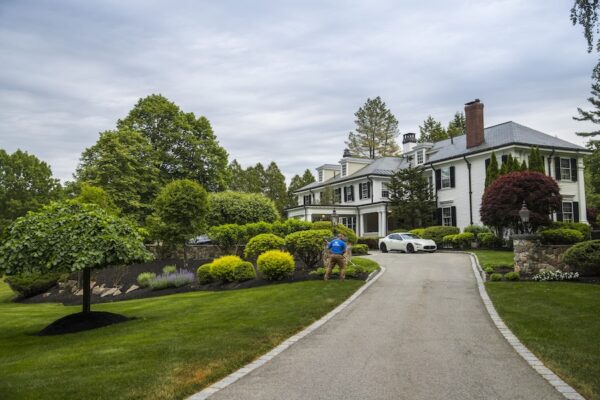
The leading residential landscaping trends in Georgetown, MA, for 2026 focus on native plants, lower-maintenance gardens, pollinator habitats, smart irrigation, natural stone, outdoor entertaining, landscape lighting, and spaces that remain useful across several seasons. Homeowners want yards that look beautiful, support daily life, use resources responsibly, and feel like a natural extension of the home.
A landscape now has to do more than create curb appeal. Homeowners want front yards that feel welcoming, backyards that support family gatherings, and plantings that can handle New England’s changing weather. They also want outdoor spaces that require less unnecessary work without looking plain or unfinished. Current 2026 design forecasts reflect this shift toward resilient planting, smart technology, natural materials, and comfortable outdoor rooms.
At ND Landscape Services, we help homeowners turn these ideas into personalized outdoor environments. Based in Georgetown, our team has more than 40 years of experience designing and constructing front yards, backyards, gardens, pools, patios, walkways, and other outdoor spaces across Metro Boston, the North Shore, and Southern New Hampshire. Our approach connects creative design with skilled construction and long-term landscape care.
Below are ten trends shaping residential landscapes in 2026 and practical ways Georgetown homeowners can use them.
10 Residential Landscaping Trends Georgetown Homeowners Are Following in 2026
1. Native and Regionally Adapted Planting
Native and regionally adapted plants remain among the strongest residential landscaping trends in 2026. Georgetown homeowners are choosing plants that suit local soil, rainfall, temperature shifts, and wildlife. When designers place these plants correctly, they can create attractive gardens that feel connected to the surrounding New England landscape. Native planting can also support birds, butterflies, and other local wildlife.
- Match Plants to Site Conditions:
A successful native garden begins with the property itself. Homeowners should evaluate sunlight, soil type, drainage, wind exposure, and available space before choosing plants. A sun-loving perennial may struggle in a shaded, damp corner. Therefore, proper placement matters as much as selecting a locally appropriate species. - Create Layered Planting Beds:
Georgetown homeowners can combine native trees, shrubs, perennials, groundcovers, and ornamental grasses to create depth. Taller plants can form the background, while medium and lower-growing plants fill the front. This layered approach creates a fuller appearance and provides different types of shelter for beneficial wildlife. - Plan for Seasonal Blooms:
A native landscape should offer more than one short period of color. Homeowners can combine early spring flowers, summer perennials, fall bloomers, and plants with winter seed heads. As a result, the garden remains visually active while providing food sources during different parts of the growing season. - Keep the Design Intentional:
Native planting does not need to look overgrown or unorganized. Defined garden edges, repeated plant groupings, natural stone borders, and clear pathways can create a polished appearance. These design choices allow homeowners to support a natural style without losing the clean structure expected in a residential landscape. - Reduce Unnecessary Lawn Areas:
Homeowners do not need to remove every section of turf. Instead, they can replace difficult-to-maintain lawn areas with native planting beds. Slopes, shaded corners, property boundaries, and areas around mature trees may become more attractive and functional when planted with suitable shrubs, grasses, and groundcovers.
Native planting should balance environmental value with personal style. Ask ND Landscape Services to create a locally appropriate garden that brings seasonal beauty, structure, and long-term character to your Georgetown property.
2. Outdoor Rooms for Everyday Living
Outdoor living areas continue to influence how homeowners design their backyards. Instead of treating a patio as a separate feature, families are creating complete outdoor rooms for cooking, dining, relaxing, and entertaining. These spaces extend the useful living area of the home and encourage families to spend more time outside.
- Create a Clear Purpose:
Every outdoor room should support a specific activity. One area may serve as an outdoor dining room, while another provides comfortable seating around a fire feature. Defining the purpose before construction helps determine the correct size, layout, materials, lighting, and connection to the house. - Improve Indoor-Outdoor Flow:
Outdoor living spaces work best when homeowners can reach them easily from kitchens, family rooms, or main gathering areas. A direct and comfortable transition reduces unnecessary walking and makes outdoor dining more convenient. Designers should also consider door placement, steps, traffic patterns, and views from inside the home. - Add Comfortable Shade:
Summer sun can limit how often a patio gets used. Pergolas, shade trees, umbrellas, and covered structures can make outdoor rooms more comfortable during warmer hours. The right shade solution should complement the home, preserve airflow, and avoid making the space feel dark or disconnected from the surrounding landscape. - Separate Activity Zones:
Larger backyards may need separate areas for cooking, dining, swimming, and relaxing. Changes in paving, planting beds, seat walls, or low landscape features can define each zone. However, the areas should remain visually connected so the backyard feels like one coordinated environment rather than several unrelated projects. - Design for Several Seasons:
Georgetown homeowners can extend outdoor use by adding fire pits, fireplaces, lighting, wind protection, and comfortable seating. Durable materials also help the space handle changing New England weather. A well-planned outdoor room should remain attractive even when homeowners are not actively using it.
A personalized outdoor room can change how your family experiences its home. Schedule a consultation with ND Landscape Services to design a functional backyard for meals, celebrations, relaxation, and everyday connection.
3. Rain-Smart Water Features and Drainage Solutions
Water features are becoming more practical and environmentally aware. Homeowners still appreciate the sound and movement of water, but they also want landscapes that handle rainfall responsibly. Rain gardens, improved drainage, permeable surfaces, and recirculating features can help manage water while adding visual interest to the property.
- Install Recirculating Features:
Recirculating fountains and small waterfalls continually reuse the same water instead of requiring a constant new supply. These systems can add sound, movement, and a calming focal point. Homeowners should select a size that fits the property and place the feature where it can be enjoyed from patios or interior windows. - Use Rain Gardens Strategically:
A rain garden can collect runoff from roofs, driveways, or other surfaces and allow water to move gradually into the soil. Designers must select the location carefully and use plants that can handle temporary moisture. A rain garden should manage water without directing it toward the foundation or neighboring properties. - Correct Recurring Drainage Problems:
Standing water, washed-out mulch, and lawn erosion often indicate a larger drainage issue. Regrading, drainage piping, swales, catch basins, and suitable planting may improve the area. Homeowners should address the source of the problem instead of repeatedly replacing soil, turf, or mulch after heavy rainfall. - Consider Permeable Surfaces:
Permeable paving and gravel areas can allow some water to filter through the surface rather than running immediately across the property. These materials may work well for walkways, garden paths, and selected patio areas. However, proper base preparation remains essential for stability and effective drainage. - Connect Water Management to Design:
Drainage should not feel like an unrelated utility project. Stone channels, planted swales, rain gardens, and carefully graded lawn areas can become part of the overall landscape. A coordinated design solves practical problems while protecting the beauty of patios, gardens, walkways, and other outdoor investments.
Water can become an asset rather than a recurring property problem. Ask ND Landscape Services to evaluate your Georgetown yard and develop a drainage plan that supports both landscape health and appearance.
4. Smart Irrigation and Connected Landscape Technology
Technology is becoming a more useful part of residential landscape care. Smart irrigation controllers, moisture sensors, automated lighting, and mobile controls allow homeowners to manage outdoor systems more precisely. These tools can save time, reduce unnecessary operation, and help landscapes respond to weather and changing seasonal needs.
- Use Weather-Based Irrigation:
Smart irrigation controllers can adjust watering schedules according to local weather rather than following the same fixed timer every week. The Environmental Protection Agency recognizes WaterSense-labeled weather-based and soil moisture-based controllers designed to improve irrigation efficiency. - Divide the Property Into Zones:
Turf, shrubs, perennial gardens, and newly planted trees have different watering needs. A properly zoned system allows each area to receive a suitable schedule. This approach can support plant health while avoiding the problems caused by giving every part of the landscape the same amount of water. - Add Soil Moisture Sensors:
Soil moisture sensors can help determine whether the ground requires additional water. This feature can prevent the irrigation system from operating when the soil already contains enough moisture. However, proper sensor placement and system setup remain important for accurate performance. - Control Outdoor Lighting:
Timers, dimmers, and connected controls allow homeowners to adjust landscape lighting based on schedules and activities. Lights can activate at sunset, dim later in the evening, or highlight outdoor areas during gatherings. Thoughtful control helps homeowners use lighting when needed without operating every fixture throughout the night. - Schedule Routine System Reviews:
Smart technology cannot repair broken sprinkler heads, leaks, poor coverage, or damaged wiring by itself. Homeowners should inspect irrigation and lighting systems regularly. A professional review can identify physical problems, update programming, and ensure that connected devices still support the landscape effectively.
Smart landscaping works best when technology supports sound design. Contact ND Landscape Services for help planning irrigation, lighting, and outdoor systems that make your Georgetown landscape easier and more efficient to manage.
5. Edible and Culinary Gardens
Edible gardens are moving beyond basic vegetable plots. Georgetown homeowners are integrating herbs, vegetables, berries, and fruit-producing plants into attractive residential landscapes. These gardens support seasonal cooking, family activities, and a closer connection to food while adding color, texture, and purpose to outdoor spaces.
- Place Gardens Near Daily Activity:
Homeowners are more likely to use an edible garden when it sits near the kitchen, patio, or main backyard route. Easy access makes harvesting herbs and vegetables more convenient. The location should also receive enough sunlight and provide access to water without interfering with entertainment or play areas. - Use Raised Garden Beds:
Raised beds create defined planting areas and can make soil preparation easier. They may also reduce bending and help organize different crops. Stone, wood, or metal beds can match the surrounding landscape, allowing a productive garden to feel like an intentional part of the property. - Combine Edible and Ornamental Plants:
Herbs, flowering vegetables, berry shrubs, and selected fruit plants can work within decorative garden beds. For example, homeowners may combine herbs with flowering perennials near a patio. This approach adds practical value while avoiding the appearance of an isolated or unfinished vegetable plot. - Plan for Seasonal Harvests:
A productive garden requires planning beyond one summer crop. Homeowners can select cool-season vegetables for spring, warm-season crops for summer, and herbs that continue into fall. A thoughtful schedule can keep the garden active for a longer period and make better use of available planting space. - Make the Garden Family-Friendly:
Edible gardens can give children and adults a shared outdoor activity. Wide paths, reachable beds, clear plant labels, and simple watering systems make the space easier to use. Families can grow ingredients they already enjoy, which creates a stronger connection between gardening and everyday meals.
An edible garden can bring beauty, learning, and fresh ingredients into your backyard. Work with ND Landscape Services to create an organized culinary garden that complements your home and supports Georgetown growing conditions.
6. Flexible and Multifunctional Landscape Features
Homeowners want outdoor features that support more than one activity. This has made multifunctional design one of the most practical residential landscaping trends. Seat walls, flexible lawns, convertible patios, and adaptable gathering areas help families use limited outdoor space more effectively without filling the property with single-purpose features.
- Build Seating Into Hardscapes:
A low retaining wall or patio wall can also provide extra seating during gatherings. This reduces the need to store large amounts of outdoor furniture. Designers should choose a comfortable height and position the wall where it supports conversation without blocking movement through the space. - Preserve Flexible Lawn Areas:
A carefully sized lawn can support children’s play, pets, outdoor games, parties, and open views. The goal is not always to remove turf. Instead, homeowners can keep a functional lawn area while replacing awkward, shaded, or steep sections with gardens or groundcovers. - Use Patios for Several Activities:
A patio may support dining during the afternoon, relaxed seating in the evening, and larger gatherings on weekends. Adequate space and a clear circulation route make these changes easier. Homeowners can also use movable furniture to adapt the layout for different occasions. - Combine Fire Features and Gathering Spaces:
A fire pit can become the visual center of a conversation area. When the design includes seat walls, flexible chairs, and nearby lighting, the same space can support quiet family evenings or larger social events. Safe clearances and appropriate materials must guide the final layout. - Turn Slopes Into Useful Features:
Sloped properties can become terraced gardens, stepped pathways, seating areas, or layered planting zones. Retaining walls may provide structure while creating usable level areas. Instead of treating the slope as wasted space, homeowners can use design and stonework to make it functional.
A multifunctional landscape gives every part of the property a purpose. Ask ND Landscape Services to design flexible outdoor features that adapt to your family’s changing activities, gatherings, and lifestyle.
7. Refined Low-Maintenance Landscape Design
Low-maintenance landscaping remains popular, but homeowners no longer want yards that look sparse or unfinished. The 2026 approach combines durable materials, appropriately sized plants, efficient irrigation, and clear garden structure. The result can feel full and polished while reducing repetitive mowing, trimming, watering, and replacement work.
- Choose Plants by Mature Size:
Small nursery plants can grow into large shrubs or wide perennials. When designers ignore mature size, plants may crowd windows, walkways, and neighboring species. Selecting correctly sized plants reduces repeated pruning and allows each variety to develop its natural shape. - Plant in Larger Groups:
Repeated groups of the same plant can create a stronger visual effect than many isolated varieties. Group planting also simplifies care because plants with similar needs remain together. This approach can make garden beds feel organized, calm, and easier to maintain. - Simplify Garden Edges:
Clear bed lines make mowing easier and keep lawn from slowly entering planting areas. Stone, steel, or carefully cut natural edges can define the landscape. Homeowners should choose an edging style that complements the property and can remain stable through seasonal changes. - Replace Difficult Turf Areas:
Lawns often struggle under dense tree cover, on steep slopes, or in narrow side yards. Homeowners can replace these sections with groundcovers, shade gardens, stone paths, or mulch. The correct alternative can reduce repeated reseeding and improve the appearance of previously weak areas. - Select Durable Hardscape Materials:
Well-built patios, steps, walls, and paths can reduce long-term repair needs. Material quality matters, but correct excavation, base preparation, drainage, and installation matter just as much. A durable hardscape creates dependable structure for surrounding low-maintenance planting.
Low-maintenance design should save time without removing character. Schedule a consultation with ND Landscape Services to create a balanced Georgetown landscape that remains attractive without demanding constant weekend upkeep.
8. Four-Season Color and Landscape Structure
Georgetown homeowners are moving beyond gardens that look appealing only during summer. Four-season landscapes use changing flowers, foliage, bark, berries, grasses, evergreens, and hardscape features to maintain visual interest throughout the year. This approach creates a property that feels thoughtfully designed even after the growing season ends.
- Begin With Permanent Structure:
Trees, shrubs, evergreens, walls, patios, and walkways form the visual framework of a landscape. These features remain visible when flowers fade. Homeowners should establish this structure first, then add seasonal plants that bring changing color and texture. - Sequence Bloom Times:
Designers can combine plants that flower during early spring, late spring, summer, and fall. This approach avoids placing all the garden’s color into one short period. Repeated colors can also connect separate beds and create a more consistent experience across the property. - Use Foliage as a Design Element:
Flowers are not the only source of color. Plants may offer burgundy, silver, gold, blue-green, or variegated foliage. Using different leaf colors and textures keeps planting beds interesting when few plants are blooming and helps create stronger visual contrast. - Preserve Winter Interest:
Ornamental grasses, evergreen shrubs, textured bark, seed heads, and stone features can remain attractive after frost. Homeowners should avoid cutting back every perennial immediately if selected plants provide useful winter form. The garden can still look intentional during the colder months. - Add Seasonal Containers:
Planters near entrances and patios provide a flexible way to update color. Homeowners can change them for spring, summer, fall, and winter without redesigning permanent beds. Containers work best when their materials, scale, and planting style match the home and wider landscape.
A four-season landscape gives your home lasting visual appeal. Let ND Landscape Services develop a planting plan that brings changing color, texture, and structure to your Georgetown property throughout the year.
9. Energy-Efficient and Purposeful Outdoor Lighting
Outdoor lighting has become more refined, efficient, and design-focused. Instead of covering the property with bright fixtures, homeowners are using layered illumination to guide movement, highlight stonework, improve safety, and extend outdoor use. The strongest lighting plans reveal the landscape gradually while protecting the comfort of family members and neighbors.
- Illuminate Paths and Steps:
Walkway, stair, and wall lighting can make grade changes easier to see after sunset. Fixtures should guide movement without shining directly into people’s eyes. Designers can place them at key transition points rather than lining every path with excessive light. - Highlight Important Features:
Uplighting can emphasize a mature tree, stone wall, garden feature, or architectural detail. However, homeowners should choose a limited number of focal points. Highlighting every feature removes contrast and can make the property look overly bright. - Use Warm, Comfortable Light:
Warm-toned lighting often works well with natural stone, wood, gardens, and traditional New England homes. It can create a more comfortable environment around patios and seating areas. The correct fixture and beam spread also help reduce glare and unwanted light. - Add Timers and Controls:
Automated schedules allow lights to turn on at sunset and switch off or dim later in the evening. Homeowners can also create different settings for regular nights and special gatherings. This improves convenience and avoids operating the complete system when it is unnecessary. - Plan Lighting Before Construction:
Homeowners should include lighting while designing patios, walkways, walls, pools, and gardens. Early planning allows crews to install wiring and fixtures before the project is finished. This prevents unnecessary disruption to newly completed stonework and planting beds.
Purposeful lighting makes outdoor spaces safer and more inviting after dark. Contact ND Landscape Services to develop a balanced lighting plan for your Georgetown walkways, gardens, patios, and gathering areas.
10. Wellness and Restorative Gardens
Wellness-focused gardens are becoming a meaningful part of residential design. Homeowners want quiet outdoor spaces where they can read, rest, stretch, garden, or step away from daily demands. These restorative areas combine privacy, comfortable seating, sensory planting, shade, and natural materials to create a calmer backyard experience.
- Choose a Quiet Location:
A wellness garden should sit away from busy driveways, play areas, and outdoor cooking zones when possible. Existing trees, fences, shrubs, or grade changes may provide separation. The chosen location should feel private without becoming hidden or disconnected from the house. - Engage Several Senses:
Fragrant flowers, moving grasses, textured leaves, bird activity, and the gentle sound of water can create a richer garden experience. Designers should use these features with restraint. Too many competing sounds, scents, and colors may make the space feel busy rather than calming. - Include Comfortable Seating:
Homeowners need a comfortable place to pause if they want to use the garden regularly. A bench, lounge chair, small patio, or built-in seat wall can support reading and conversation. Shade and protection from damp ground will also improve comfort. - Create a Sense of Enclosure:
Layered shrubs, small trees, ornamental grasses, trellises, and garden walls can define a quiet space. The enclosure should provide privacy while preserving airflow and natural light. Openings can frame selected garden views and maintain a connection to the wider property. - Keep Movement Simple:
A clear path can encourage slow movement through the garden without creating confusion. Natural stone steps, stepping stones, or a gently curved walkway may suit the setting. The route should feel stable, accessible, and connected to the home’s main outdoor areas.
A restorative garden can make everyday time outdoors feel more meaningful. Ask ND Landscape Services to create a private Georgetown retreat designed around relaxation, nature, and your family’s personal wellness goals.
Bringing the Right 2026 Landscaping Trends to Your Georgetown Home
The most successful residential landscaping trends combine beauty with a clear purpose. Native planting supports a stronger connection to the local environment. Outdoor rooms create more space for family life. Smart irrigation improves control, while low-maintenance design reduces unnecessary work. Lighting, edible gardens, flexible features, and wellness spaces add value in different ways. However, homeowners should not add every popular idea to one property. The right choices depend on available space, architecture, sunlight, drainage, budget, maintenance preferences, and how the family plans to use the yard.
ND Landscape Services has created and cared for residential properties in Massachusetts and Southern New Hampshire since 1982. Its Georgetown-based team provides landscape design, construction, enhancements, and ongoing maintenance for front yards, backyards, gardens, pools, patios, stonework, and other outdoor environments.
Contact ND Landscape Services to discuss your ideas and create a personalized landscape that brings the best 2026 trends to your Georgetown home.
How to Choose the Right Trends for Your Georgetown Home
Not every trend belongs in every yard. The best residential landscaping trends are the ones that support your property, lifestyle, budget, and long-term maintenance preferences. Start by listing what you want the yard to help you do. You may want to host dinners, improve curb appeal, add privacy, reduce lawn care, install a pool, or create a safer space for children. Clear goals help prevent you from adding disconnected features simply because they are popular. Next, study the property itself. Consider sunlight, drainage, soil conditions, slopes, mature trees, neighboring views, and access from the house. A successful plan works with these conditions rather than forcing a design that does not fit.
Then, prioritize the project in a practical order:
- Correct drainage, grading, and access problems.
- Establish the main layout and outdoor activity zones.
- Select patios, walls, walkways, and other hardscapes.
- Plan trees, shrubs, gardens, and lawn areas.
- Add irrigation, drainage, lighting, and utilities.
- Complete planting, finishing details, and maintenance planning.
This order helps homeowners avoid damaging new plants while installing hardscapes or reopening completed areas to add utilities.
A landscape designer can also divide a larger project into phases. For example, the first phase may address drainage and a patio. A later phase may add a pool, outdoor kitchen, or planting improvements.
Conclusion
The leading residential landscaping trends of 2026 show that Georgetown homeowners want outdoor spaces that are attractive, practical, and easier to enjoy throughout the year. Native plants, outdoor living areas, smart irrigation, edible gardens, low-maintenance designs, landscape lighting, and wellness-focused spaces can all improve how a property looks and functions. However, the best landscape is not the one that follows every trend. It is the one that reflects your home, your property conditions, and the way your family wants to spend time outdoors. A thoughtful design should bring each feature together so the yard feels connected, balanced, and built for long-term use.
ND Landscape Services helps Georgetown, MA, homeowners turn current residential landscaping trends into personalized outdoor environments. From early design ideas and planting plans to patios, pools, stonework, irrigation, lighting, and ongoing care, our team can guide the project from concept to completion.
Contact ND Landscape Services today to schedule a consultation and begin creating an outdoor space where your family can relax, gather, and make new memories.