
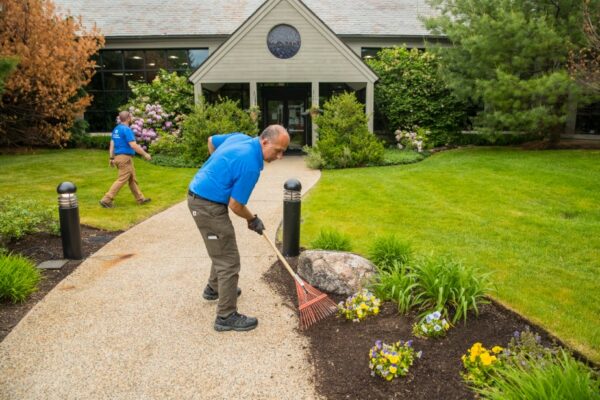
TL;DR: Commercial Landscape Maintenance Checklist
A commercial landscape maintenance checklist helps property managers keep outdoor spaces safe and attractive year-round. Regular tasks such as lawn care, pruning, debris removal, irrigation monitoring, and seasonal plant maintenance help keep commercial properties looking professional while protecting landscaping investments.
Key points:
- Routine maintenance protects plant health and curb appeal
- Seasonal tasks keep landscapes thriving throughout the year
- Preventative care reduces long-term repair costs
- A structured checklist keeps properties consistent and well-managed
If you’re looking for help maintaining your commercial property’s landscaping, ND Landscape Services offers comprehensive landscape management solutions. Call 978-352-5400 or fill out the contact form to get started.
Commercial Landscape Maintenance Checklist: What Property Managers Need to Know
A commercial landscape maintenance checklist is one of the most effective tools for keeping commercial properties attractive, safe, and welcoming throughout the year. Well-maintained landscaping does more than improve appearance—it also reflects professionalism, protects property value, and creates a positive experience for visitors, employees, and tenants.
Whether you manage an office park, retail center, apartment complex, or corporate campus, a structured checklist ensures that essential landscaping tasks are completed consistently.
Commercial landscapes are often much larger and more complex than residential properties. Without a clear maintenance plan, important tasks can be overlooked, leading to declining curb appeal, unhealthy plants, and potential safety hazards.
If you’re looking for reliable help maintaining your commercial landscape, ND Landscape Services can help manage your property year-round. Call 978-352-5400 or reach out online to learn more.
Why Commercial Landscape Maintenance Matters
The landscaping surrounding a commercial property plays a major role in shaping first impressions. Visitors often notice outdoor spaces before they even enter the building.
A well-maintained landscape signals professionalism and attention to detail. On the other hand, neglected landscaping can create the impression that the property is poorly managed.
Regular landscape maintenance also contributes to safety. Overgrown shrubs can block sightlines near walkways and parking lots, while fallen branches and debris may create tripping hazards.
Beyond appearance and safety, consistent maintenance protects the long-term health of plants and lawns. Preventative care, such as pruning, fertilization, and irrigation management, helps landscapes thrive and reduces the need for costly replacements.
For property managers responsible for large spaces, having a clear maintenance checklist simplifies operations and helps ensure nothing is overlooked.
Weekly Maintenance Tasks
Weekly maintenance tasks form the foundation of most commercial landscaping programs. These routine activities help keep properties looking neat and well-cared-for.
Lawn Mowing and Edging
Consistent mowing is essential for maintaining a professional appearance. Grass that grows too tall can quickly make a property look neglected.
Edging sidewalks, parking lots, and curbs provides a clean and polished look. Crisp edges help define lawn areas and improve overall presentation.
Debris and Litter Removal
Commercial properties experience significant foot traffic, which often leads to litter accumulation.
Removing trash, fallen branches, and leaves ensures that the property remains clean and inviting. This task also prevents debris from damaging lawn equipment or clogging drainage systems.
Weed Control
Weeds can quickly spread through lawns, garden beds, and paved areas if left unchecked.
Routine inspections and spot treatments help prevent weeds from overtaking landscaped areas. Early intervention reduces the need for more aggressive treatments later in the season.
Irrigation System Monitoring
Commercial irrigation systems should be inspected regularly to ensure they function properly.
Broken sprinkler heads, leaks, or uneven watering can lead to stressed plants and wasted water. Monitoring irrigation systems helps maintain healthy landscaping while conserving resources.
Monthly Maintenance Tasks
While weekly tasks maintain daily appearance, monthly maintenance focuses on plant health and landscape longevity.
Shrub and Hedge Pruning
Shrubs and hedges require periodic trimming to maintain their shape and prevent overgrowth.
Pruning encourages healthy plant growth and improves air circulation. It also prevents branches from interfering with walkways, signage, and building entrances.
Garden Bed Maintenance
Garden beds are often focal points of commercial landscapes. Maintaining them requires regular attention.
Tasks may include removing weeds, refreshing mulch, and inspecting plants for signs of pests or disease.
Mulch plays an important role in moisture retention and weed prevention, making it a valuable addition to commercial landscaping beds.
Fertilization
Fertilization helps lawns and plants receive the nutrients they need to grow strong and healthy.
Commercial landscapes often require scheduled fertilization programs tailored to local soil conditions and seasonal growth patterns.
Hardscape Cleaning
Walkways, patios, and other hardscape areas should be cleaned periodically to maintain their appearance and safety.
Power washing can remove dirt, algae, and stains that accumulate over time.
Seasonal Maintenance Tasks
Seasonal maintenance is another essential part of a comprehensive commercial landscape maintenance checklist.
Spring Landscape Preparation
Spring is the time to revive landscapes after winter dormancy.
Tasks often include removing winter debris, pruning damaged branches, and preparing flower beds for new plantings. Early-season cleanup improves lawn health and encourages new growth.
Spring is also an ideal time to inspect irrigation systems and apply fresh mulch to garden beds.
Summer Landscape Care
During the summer months, landscapes require additional attention due to heat and increased growth rates.
Frequent mowing, irrigation adjustments, and pest monitoring are essential to maintain healthy lawns and plants.
Summer is also a good time to evaluate plant performance and address areas where landscaping may need improvement.
Fall Landscape Maintenance
Fall maintenance prepares landscapes for the colder months ahead.
Leaf removal, lawn aeration, and seasonal fertilization help strengthen grass before winter dormancy. Pruning and trimming also reduce the risk of storm damage during winter weather.
Winter Property Care
Even when plants are dormant, landscape maintenance continues.
Snow and ice management becomes essential for commercial properties. Clearing walkways, entrances, and parking areas helps ensure safety for visitors and employees.
Winter is also a good time to plan landscape improvements for the following year.
Common Challenges in Commercial Landscape Maintenance
Maintaining large commercial properties presents several challenges.
One common challenge is scale. Large campuses or office parks may include expansive lawns, multiple garden beds, trees, and hardscape areas that require ongoing attention.
Weather conditions can also complicate maintenance schedules. Heavy rain, drought, or harsh winters can impact plant health and maintenance timelines.
Another challenge is consistency. Without a structured checklist, maintenance tasks may be overlooked, leading to uneven landscaping conditions across the property.
Budget considerations also play a role. Property managers must balance maintaining high-quality landscaping with staying within operational budgets.
A well-organized maintenance checklist helps address these challenges by creating a clear schedule for essential tasks.
Benefits of Professional Landscape Maintenance
Many commercial property managers rely on professional landscape maintenance teams to handle routine care.
Professional crews have the equipment and expertise needed to maintain large properties efficiently. From commercial-grade mowing equipment to specialized pruning tools, professionals can complete tasks quickly and effectively.
Landscape professionals also understand plant health and seasonal care requirements. This knowledge helps prevent problems such as disease outbreaks, poor soil conditions, or irrigation issues.
Another advantage is consistency. Professional maintenance teams follow structured schedules to ensure landscapes remain attractive year-round.
For property managers juggling multiple responsibilities, outsourcing landscape maintenance allows them to focus on other operational priorities.
Keeping Commercial Landscapes Healthy and Professional
A well-planned commercial landscape maintenance checklist ensures that outdoor spaces remain safe, healthy, and visually appealing year-round.
From routine mowing and pruning to seasonal cleanup and irrigation management, each maintenance task plays an important role in protecting the landscape investment.
Consistent care helps maintain strong plant health, improves curb appeal, and creates a welcoming environment for tenants, employees, and visitors.
If you’re looking for reliable commercial landscape maintenance, ND Landscape Services offers comprehensive property management solutions for commercial properties. Call 978-352-5400 or fill out the contact form to get started.
Frequently Asked Questions About Commercial Landscape Maintenance Checklist
What is a commercial landscape maintenance checklist?
A commercial landscape maintenance checklist is a structured list of tasks used to keep commercial properties clean, safe, and visually appealing throughout the year.
How often should commercial landscaping be maintained?
Most commercial properties require weekly maintenance for tasks like mowing and debris removal, with additional monthly and seasonal services.
Why is landscape maintenance important?
Regular maintenance improves curb appeal, protects plant health, enhances safety, and maintains property value.
What tasks are included in commercial landscape maintenance?
Common tasks include mowing, pruning, weed control, fertilization, irrigation monitoring, debris removal, and seasonal cleanup.
Should commercial landscaping be handled by professionals?
Professional landscape maintenance teams have the equipment, experience, and scheduling systems needed to maintain large properties efficiently and consistently.